
Article · Sep 4, 2026
The Pickup Counter Is Marketing
How local retailers can connect online orders, pickup shelves, bag tags, receipts, and follow-up cards into one clearer customer experience.
8 min read
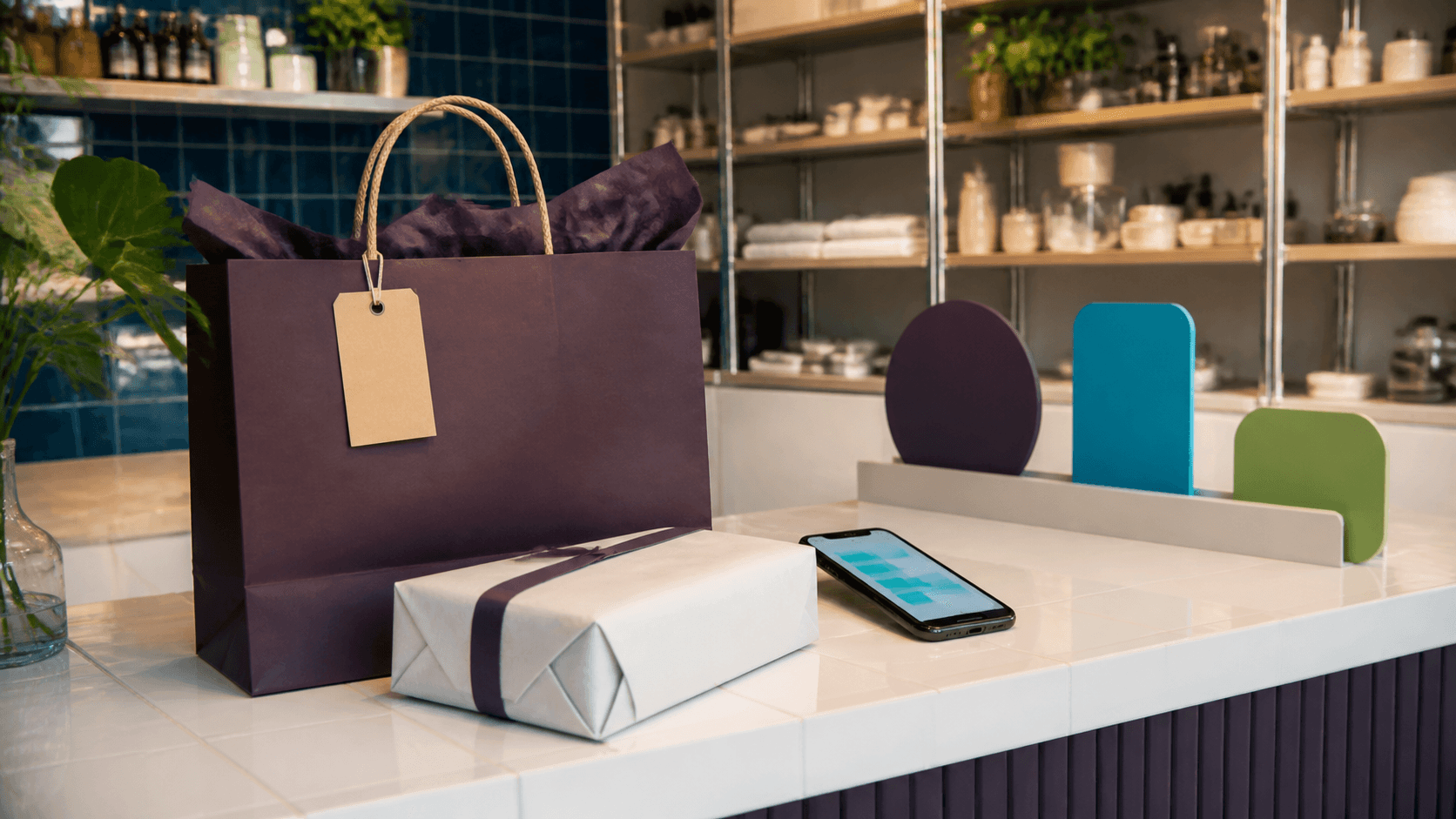
A retail pickup counter is not only an operations corner. It is where the online promise becomes a physical handoff, so packaging, pickup tags, receipts, shelf cues, and follow-up cards should make the store feel organized and recognizable.
In this article
- 01The order becomes real at the counter
- 02Convenience still needs a point of view
- 03The shelf should not feel like the back room
- 04Local discovery continues after pickup
- 05Design the handoff before the rush
The order becomes real at the counter
A customer who bought online may meet the store for the first time at a pickup counter. The bag is waiting, the shelf is crowded, the receipt is folded, and the staff member is trying to match a name to a package without making the moment feel like a warehouse chore.
That counter is easy to dismiss as operations. It is more than that. It is where the store proves that the product, website, confirmation email, and physical environment belong to the same business. A good handoff can make a small retailer feel composed. A messy one can make the whole purchase feel temporary.
Convenience still needs a point of view
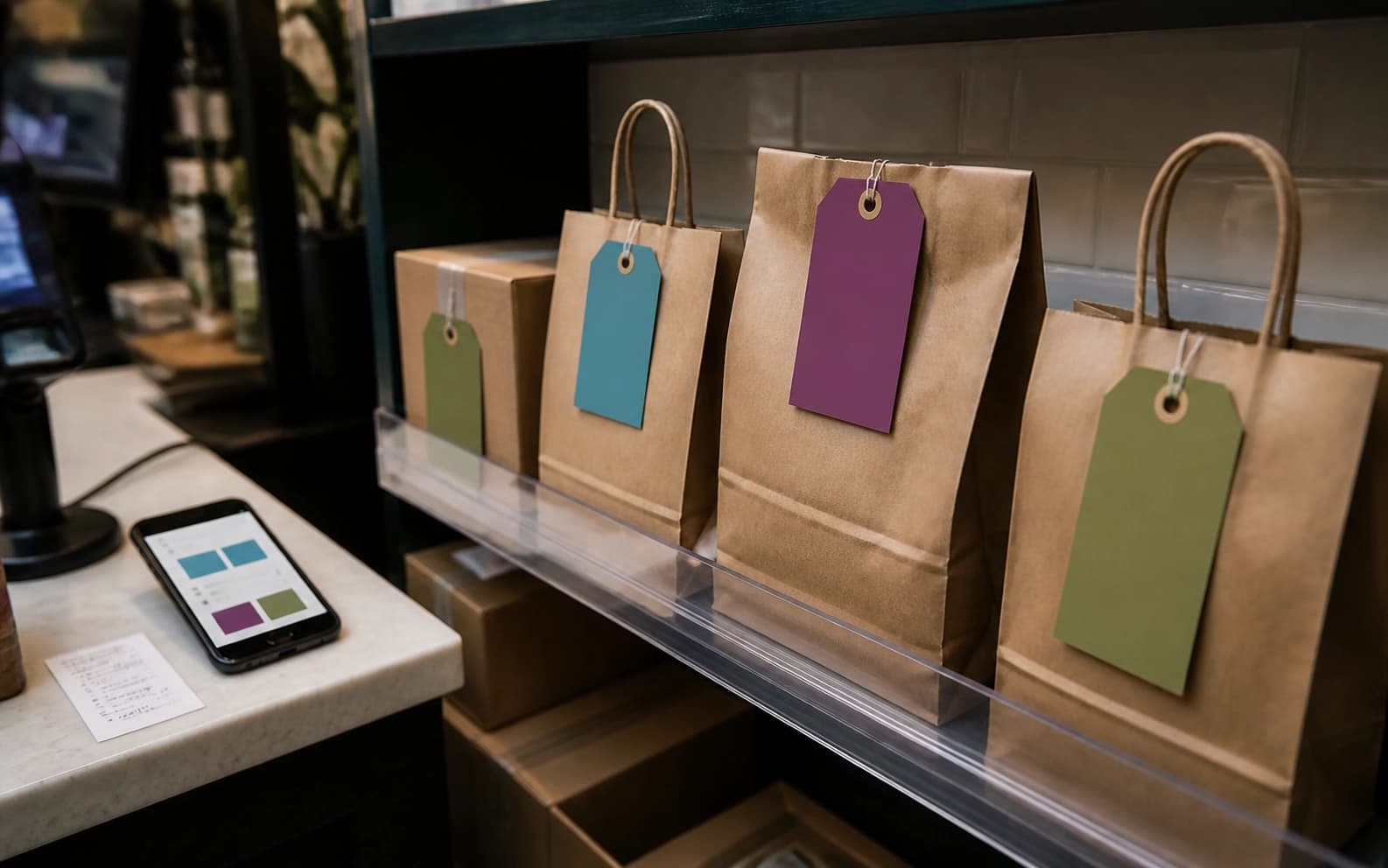
Retailers have learned to make ordering faster. The risk is that faster can become thinner. A customer receives a confirmation, walks into the store, finds a counter, and leaves with a bag that looks unrelated to the site where the decision happened.
Visual culture reports are useful here because they point toward tactile detail, local specificity, and less anonymous polish. Adobe's 2026 creative trends emphasize sensory, human, and local signals. Canva's design forecast also points to a move away from perfect sameness toward more personal, material expression. For a local retailer, the pickup counter is a practical place to make that idea useful.
- Use pickup tags that help staff route orders without exposing private customer details.
- Keep package color, receipt insert, and email confirmation in the same visual family.
- Photograph real pickup and product details for profile and social use when appropriate.
- Make the return, care, or follow-up step visible before the customer leaves.
The shelf should not feel like the back room
The pickup shelf often inherits whatever material was closest: a label maker, a stack of generic bags, a handwritten sign, a printout taped to a wall. None of these things is disastrous alone. Together they can tell the customer the brand stopped at checkout.
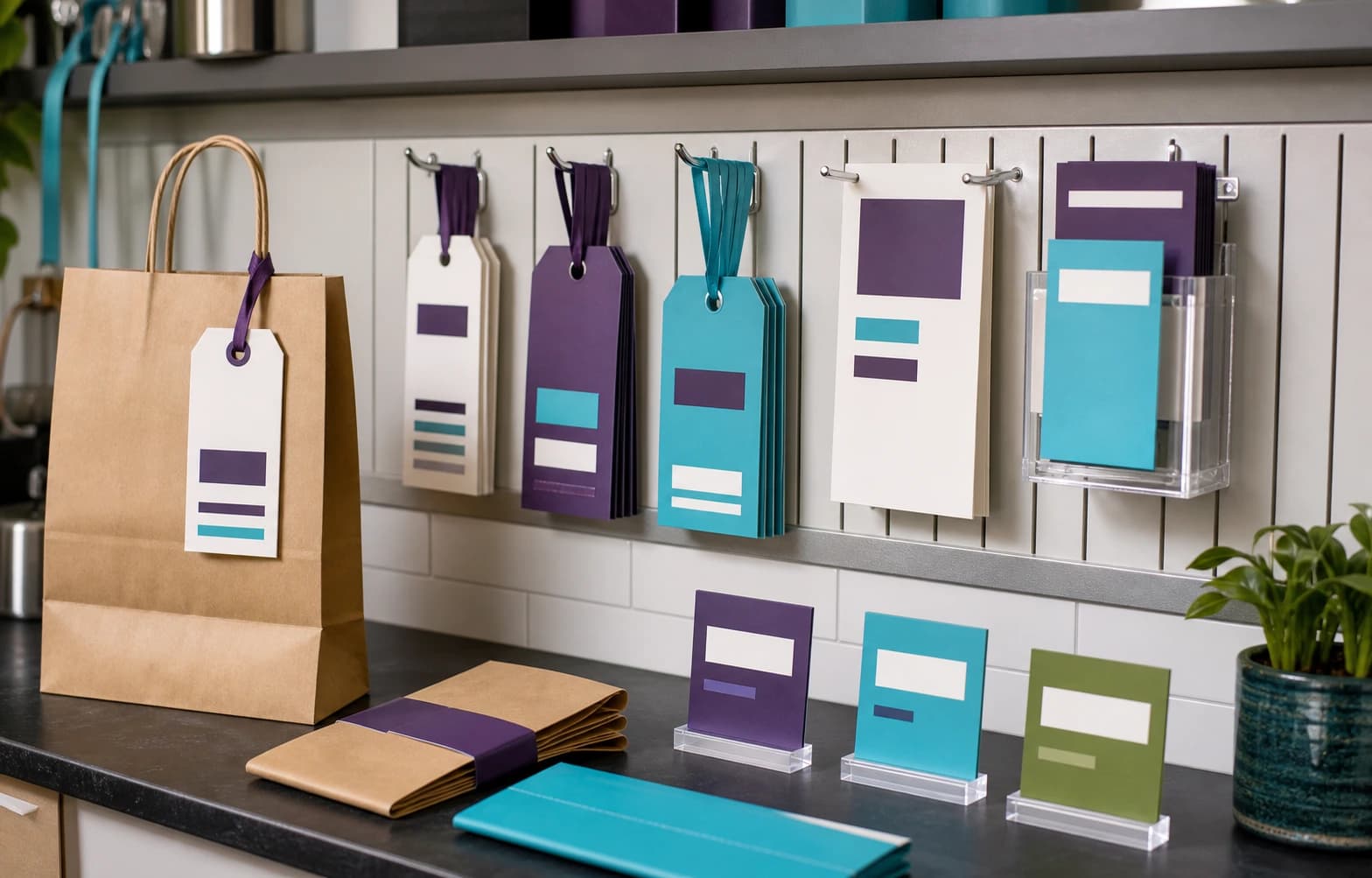
A better pickup system can stay modest. It might use a few color-coded tags, a shelf cue, a receipt insert, a care card, and a bag label that repeats the same hierarchy. The point is not to decorate the counter. The point is to make the transition from digital order to physical object feel intentional.
Local discovery continues after pickup
The customer's next impression may happen outside the store. They carry the bag down the block, place the product in a car, photograph it at home, or search the business again to check hours and products. Google Business Profile guidance encourages business-specific photos and current profile information because customers use those details to recognize and evaluate places.
That does not mean a store should stage every pickup like a campaign. It means the ordinary materials should be good enough to travel. The bag tag, product care card, pickup email, Google profile photo, and social crop should feel like relatives. Not identical, but related.
Design the handoff before the rush
The practical audit starts at the shelf. Watch the pickup path without explaining it. Can a customer find the counter? Can staff identify the right order without calling out private information? Does the bag carry the same store character as the website? Does the receipt or insert tell the customer what to do next?
A pickup counter will never be the grandest part of the store. That is exactly why it matters. It is a humble test of whether the brand can stay recognizable when the purchase turns from a screen into a bag in someone's hand.
Frequently asked questions
Why is retail pickup part of marketing?
Pickup connects the online promise to the physical store. The counter, bag, receipt, tags, and follow-up card shape whether the customer experiences the brand as organized and recognizable.
What materials should a retail pickup system include?
Useful pieces can include bag tags, shelf cues, receipt inserts, product care cards, package bands, order-status emails, and profile or social images that show the real handoff.
How can a small retailer improve pickup without overbuilding?
Start with a consistent visual hierarchy, privacy-conscious tags, clearer shelf cues, and one reusable insert or follow-up card that matches the website and packaging.
Need a sharper customer-facing system?
Improve consistency across the brand, website, and sales materials.
Visual Square helps NY/NJ businesses clean up the touchpoints customers actually see first, so the brand feels clearer, more credible, and easier to trust.
Talk through the refresh