

Article · Sep 10, 2026
A Proposal Page Should Qualify the Ask
Why quote-request and proposal pages should narrow scope, timing, budget, and fit before asking a customer to submit or sign.
8 min read
A proposal page is not only a place to capture a lead or collect a signature. It should help the customer understand fit, scope, timing, budget shape, and next steps before the business asks for commitment.
In this article
- 01The signature line arrives too early
- 02A good proposal page narrows the room
- 03The proposal is part of the brand
- 04Design the questions before the form
- 05The customer should leave with a cleaner question
The signature line arrives too early
A proposal can look beautifully finished and still make the customer feel under-informed. The cover is clean, the price is visible, the button is ready, and the signature line waits at the bottom like a polite trapdoor. What may be missing is the part that helps the customer decide whether the offer is actually the right shape.
This happens on websites too. A quote-request page asks for a name, phone number, budget, timeline, and project type before it has explained what each choice means. A customer who is still trying to understand scope is asked to act as if scope has already been settled.
A good proposal page narrows the room
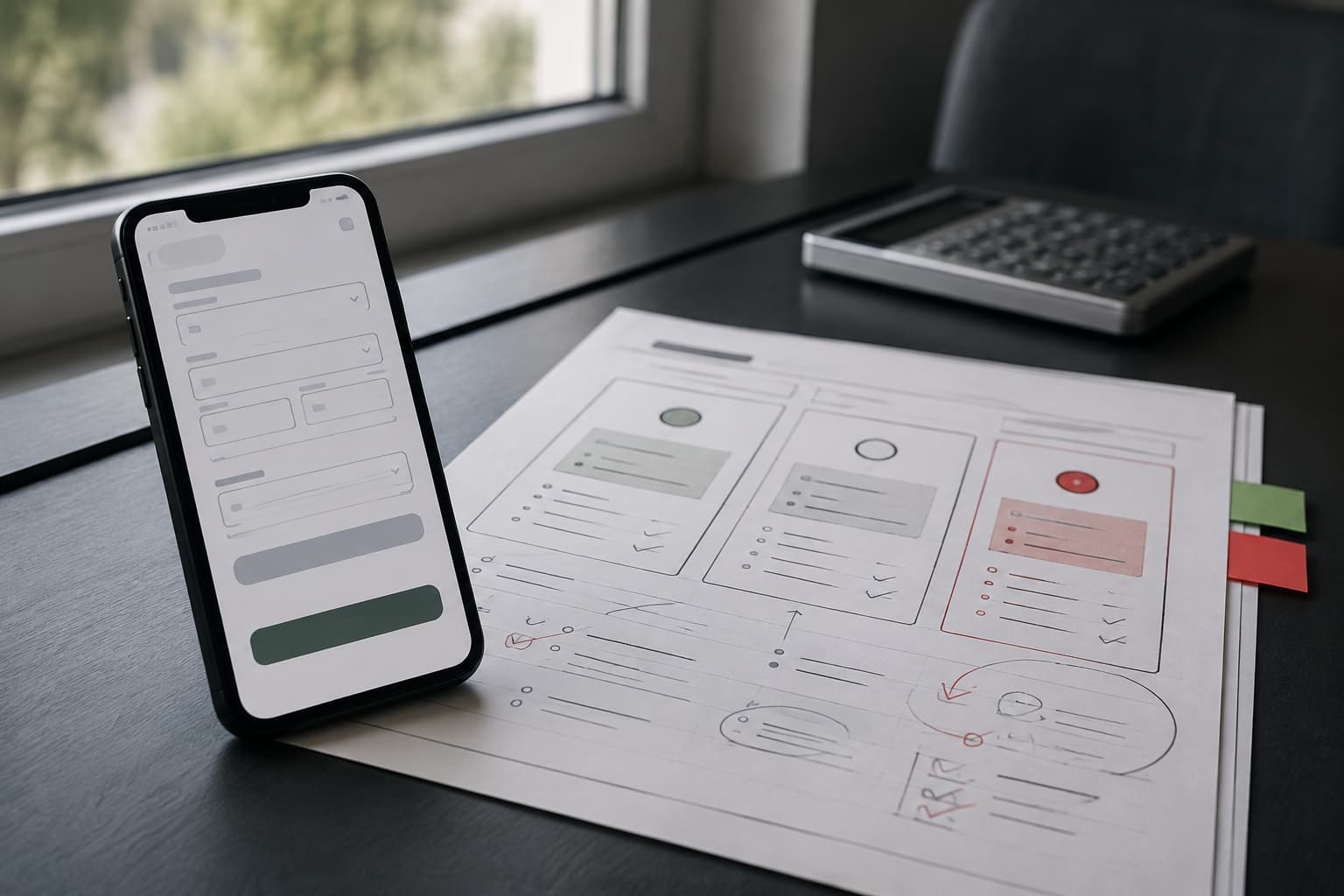
The useful proposal page does not bury the customer in every possible package. It narrows the room. It says who the service is for, what kind of problem belongs here, what is normally included, what is deliberately not included, and what happens after the request arrives.
That structure is not only polite. It saves the business from weak leads and vague calls. If a customer can see that a brand refresh includes website, print, and production-ready files, they can ask a better question. If they can see that a one-page campaign kit is different from a full identity project, the first conversation starts closer to reality.
- Show the typical service fit before the form or signature.
- Explain deliverables as usable assets, not only design categories.
- Name timing and dependencies without pretending every project is identical.
- Use budget language to orient decisions without promising a fixed outcome.
The proposal is part of the brand
Customers do not separate the sales document from the brand experience. If the website is calm and clear but the proposal PDF feels dense, the business has changed voice at the exact moment trust matters. If the quote page is friendly but the follow-up email is cryptic, the handoff has introduced friction.
For professional service firms, studios, clinics, property teams, and local operators, the proposal is often the first operational proof. It shows whether the business can organize complexity. The design does not have to be dramatic. It has to make the decision feel legible.

Design the questions before the form
The form should come after the page has done some work. Before asking for budget, explain the kinds of budget decisions that change the project. Before asking for timeline, show what must be prepared before production can begin. Before asking for project type, describe the difference between a launch kit, a refresh, a website build, and a campaign system.
This is where content, UX, and brand strategy meet. A clear page can use short examples, comparison blocks, process notes, FAQ, and plain-language scope cues. The point is not to remove the conversation. It is to make the conversation worth having.
The customer should leave with a cleaner question
A useful proposal page changes the customer's question from "How much is design?" to "Which scope fits the business we are trying to build?" That is a more honest question, and it gives both sides more room to work.
The signature line still matters. So does the submit button. But they should arrive after the page has made the decision more specific. A proposal that qualifies the ask does not pressure the customer into commitment. It helps them recognize the shape of the commitment before they make it.
Frequently asked questions
What should a quote-request page include?
It should explain service fit, typical deliverables, timing, budget factors, process, and next steps before asking the visitor to submit detailed information.
How is a proposal page different from a contact form?
A contact form only captures information. A proposal page helps the customer understand the decision, compare scope, and ask a more specific question.
Why does proposal design matter for professional services?
The proposal is often the first proof that a business can organize complexity. Clear structure, language, and visual hierarchy can reduce confusion before the first call.
Need a sharper customer-facing system?
Improve consistency across the brand, website, and sales materials.
Visual Square helps NY/NJ businesses clean up the touchpoints customers actually see first, so the brand feels clearer, more credible, and easier to trust.
Talk through the refresh