
Article · Sep 25, 2026
The Estimate Packet Has to Leave the Office
Why NY/NJ professional service brands need estimate materials that stay clear after the first meeting ends.
8 min read
An estimate is not finished when it is emailed or handed over. It has to travel into the car, the kitchen table, the partner conversation, and the follow-up call with scope, timing, choices, and next steps still intact.
In this article
- 01The estimate keeps talking after the meeting
- 02Clarity is a brand behavior
- 03The packet has to survive the second conversation
- 04Local professionalism is often portable
- 05Design the page for the person who was not there
The estimate keeps talking after the meeting
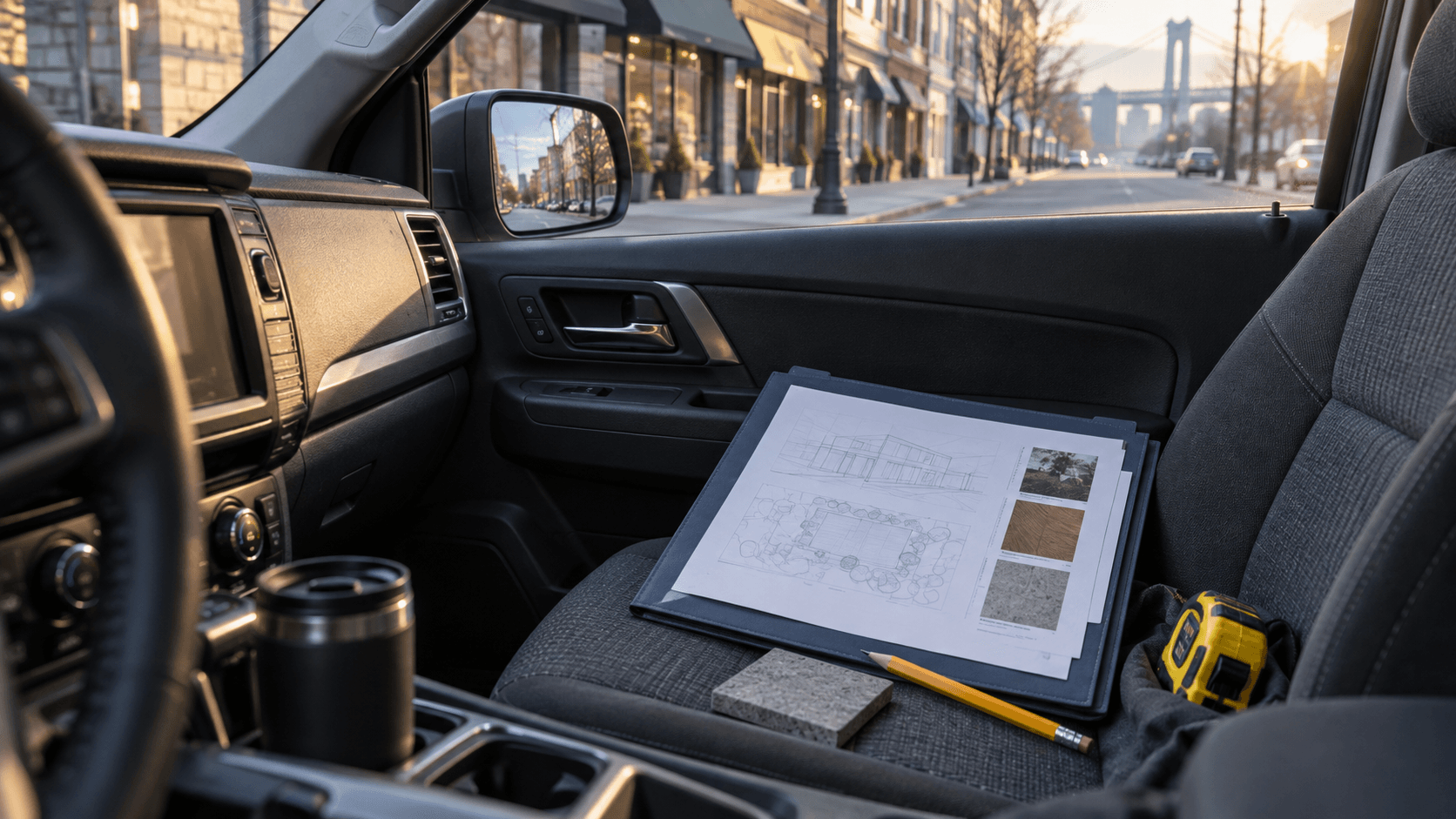
The folder lands on the passenger seat. Or the PDF sits in an email while the customer drives back over the bridge, calls a partner, checks a calendar, and tries to remember which detail belonged to which price. The conversation is over, but the estimate is still working.
That is where many professional service brands become suddenly vague. The owner, consultant, contractor, broker, designer, or practice manager may have explained everything carefully in the room. Once the materials leave, the customer has only the packet, the memory, and whatever order the page gives them.
Clarity is a brand behavior
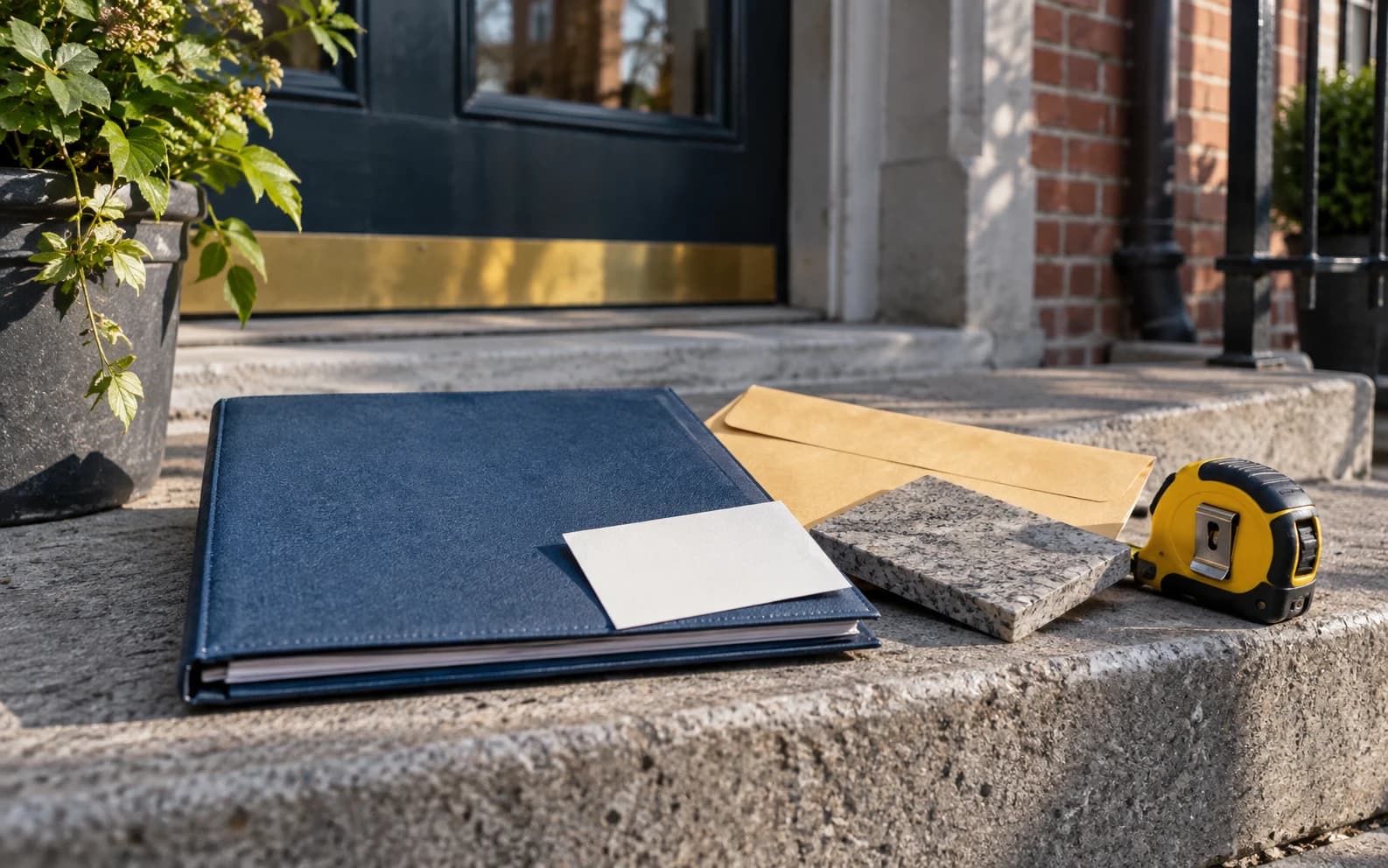
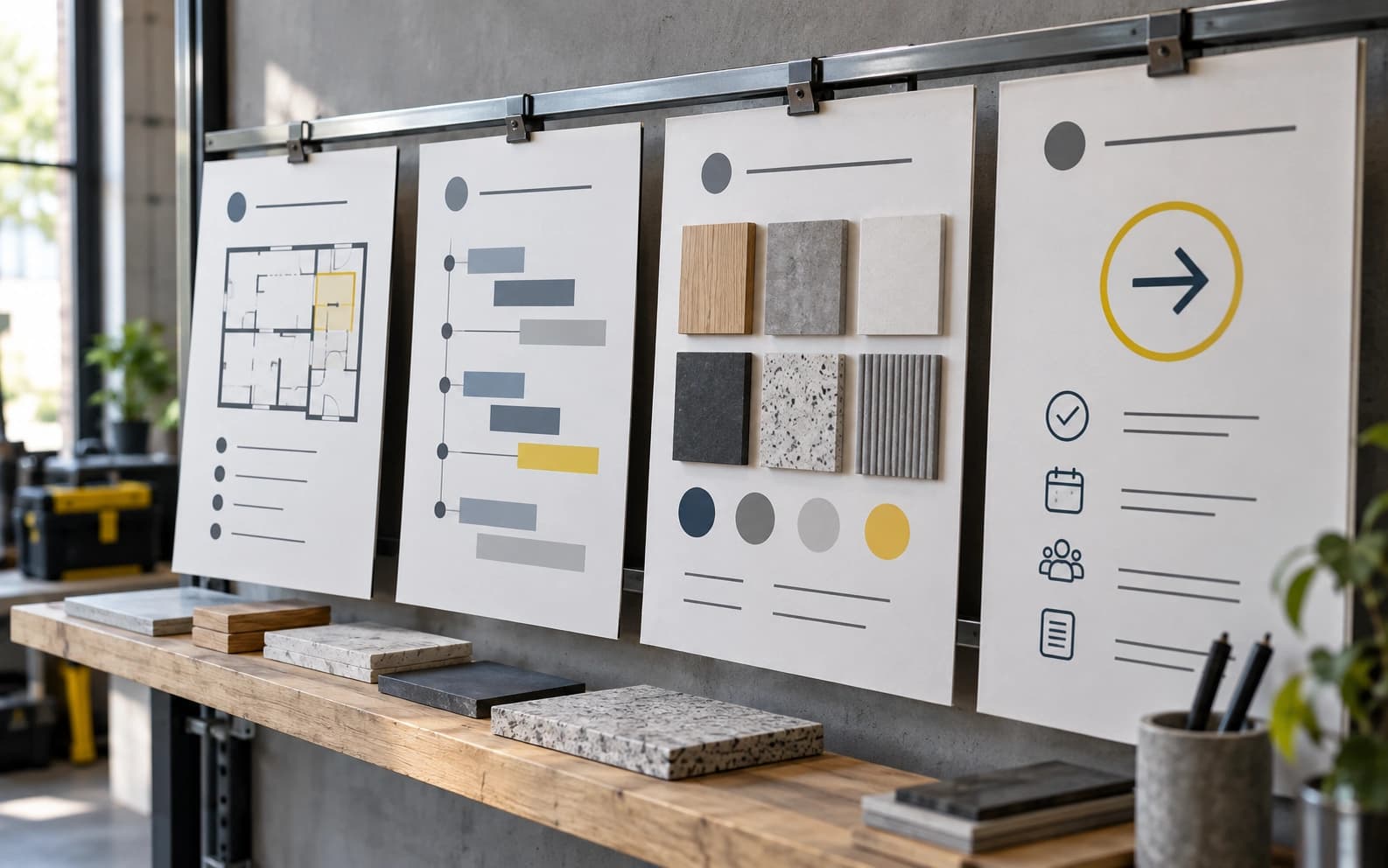
An estimate packet does not need theatrical design. It needs sequence. What is included? What is not included? What choices affect the price? What happens first? What decisions are waiting on the customer? What date or condition changes the scope?
The Federal Trade Commission's advertising guidance is a useful reminder even outside formal ad copy: claims should be truthful, clear, and not misleading. The same discipline belongs in estimates. A beautiful packet that hides assumptions is not premium. It is expensive fog.
- Separate scope from optional choices instead of blending them into one paragraph.
- Use plain labels for assumptions, exclusions, timing, and decision points.
- Give visual weight to the next step without making the estimate feel pushy.
- Keep proof of process factual; do not invent results, testimonials, or numbers.
The packet has to survive the second conversation
Most estimates are read twice. The first read happens with the business present. The second happens later, with someone else at the table or on the phone. The second reader did not hear the explanation. They need the page to carry the logic.
This is why hierarchy matters. A customer should not have to hunt through body copy to understand the difference between a required phase and an optional upgrade. Good design makes the shape of the decision visible.
Local professionalism is often portable
NY/NJ service businesses compete in crowded markets where customers compare quickly and ask around. The materials that leave the office become part of that comparison. They may be printed, forwarded, photographed, or opened on a phone between appointments.
A consistent estimate packet helps the brand feel organized because it is organized. It connects the website's service language, the meeting notes, the follow-up email, and the production files into one usable trail.
Design the page for the person who was not there
The useful test is simple: hand the packet to someone who missed the meeting. Can they tell what is being proposed, what choices remain, what the customer needs to do next, and what is not being promised? If they cannot, the design still depends too much on memory.
An estimate packet does not close the sale by looking elaborate. It earns the next conversation by staying legible after it leaves the room.
Frequently asked questions
What should a professional service estimate packet include?
Include scope, assumptions, exclusions, timeline, options, next steps, contact information, and any preparation or approval details the customer needs.
How can estimate design improve customer confidence?
Clear hierarchy and plain labels help customers understand what is included, what decisions remain, and how to move forward without relying on memory.
Should every estimate become a full proposal deck?
No. Many local firms need a reusable packet structure that is clear, branded, and easy to adapt without overproducing every inquiry.
Need a sharper customer-facing system?
Improve consistency across the brand, website, and sales materials.
Visual Square helps NY/NJ businesses clean up the touchpoints customers actually see first, so the brand feels clearer, more credible, and easier to trust.
Talk through the refresh