
Article · Sep 24, 2026
The Contact Page Should Answer Before It Asks
Why local business contact pages should answer practical customer questions before handing someone a form.
8 min read
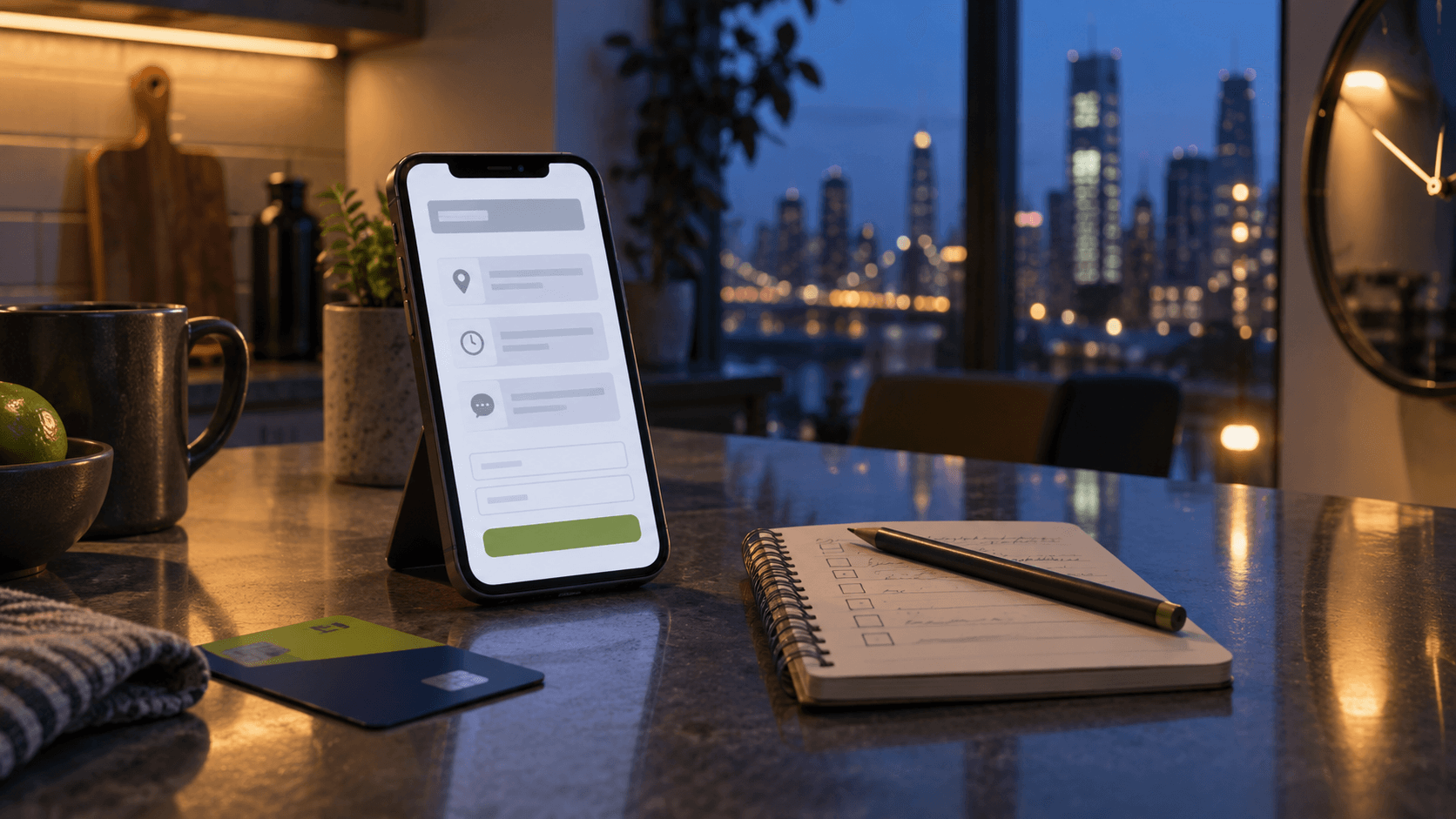
A contact page is often treated as the end of the website. For a customer, it is still part of the decision. Address, hours, response time, preparation, service area, and next-step expectations can reduce hesitation before the form ever appears.
In this article
- 01The form is not the first question
- 02Practical details carry emotional weight
- 03The page should answer before it routes
- 04Helpful content is also helpful timing
- 05Make the ask feel earned
The form is not the first question
A customer reaches the contact page with a phone in one hand and several small doubts in the other. Are they open when I can come? Is this near the train, the highway, or the parking lot I can actually use? Will anyone reply today? Do I need photos, measurements, insurance details, menu counts, or a budget range before I ask?
Many contact pages answer only one question: where can we collect your information? That may be convenient for the business. It is not always enough for the person deciding whether to start the conversation.
Practical details carry emotional weight
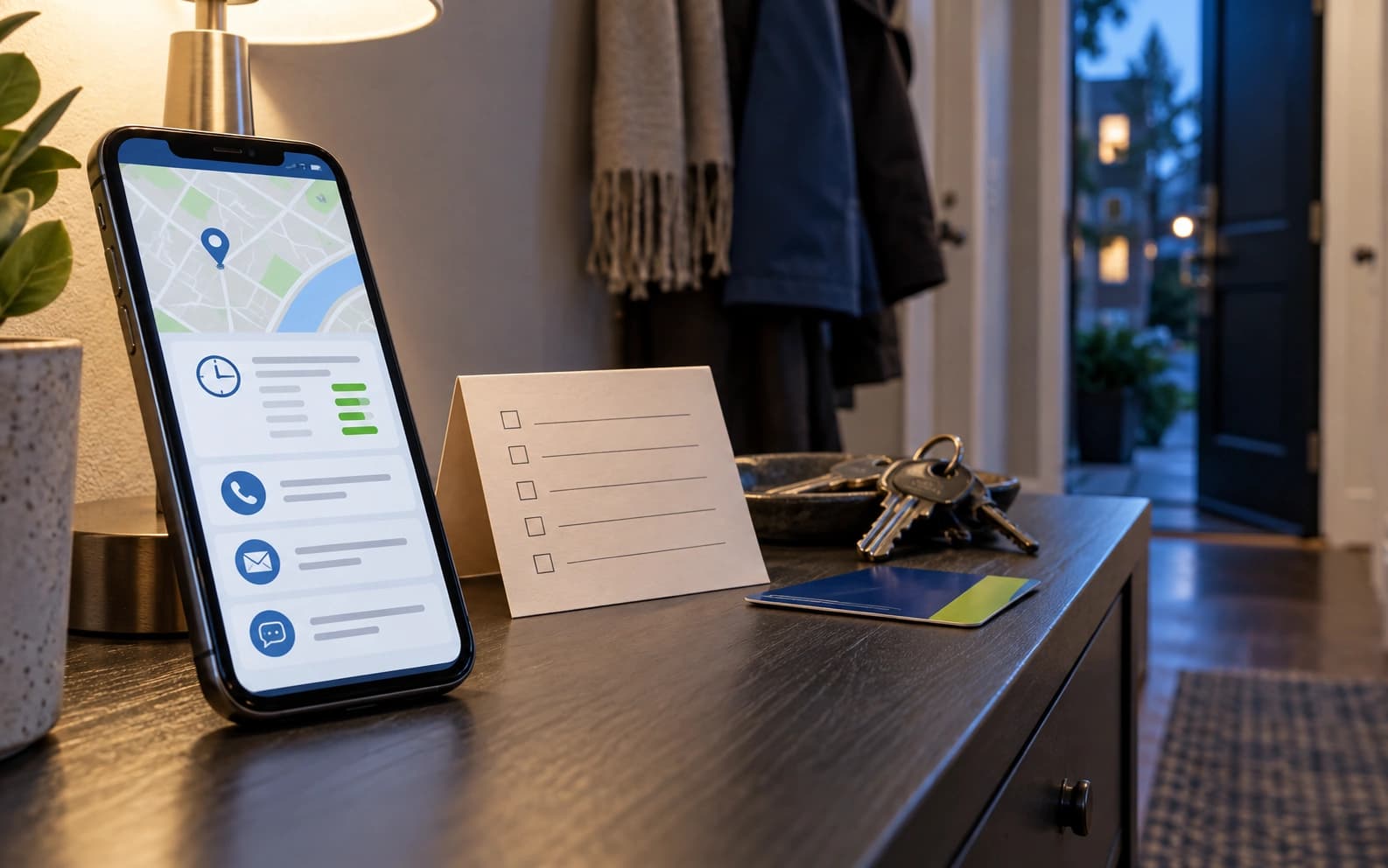
Address, hours, parking, service area, response time, and preparation notes sound administrative. On a page, they often do the emotional work. They tell the customer whether the business is organized enough to receive them.
Google Business Profile guidance keeps emphasizing accurate business information, photos, and updates because customers use those cues before they commit to a visit or call. A website should not make the customer leave for a map listing to understand the basics.
- State when inquiries are usually answered without promising instant response.
- Name the service area and location cues in plain language.
- Explain what to prepare before the first conversation.
- Keep the form short enough that the page does not feel like paperwork.
The page should answer before it routes
The best contact pages feel less like a locked reception window and more like a calm front desk. They do not bury every answer in an FAQ, and they do not turn the whole page into a sales pitch. They give enough context for the customer to know which door they are opening.
For local service businesses, this matters because the inquiry is rarely abstract. Someone is planning a first visit, a project meeting, a pickup, a catering order, a consultation, or a repair. The page should make the next step feel reasonable.

Helpful content is also helpful timing
Google's people-first content guidance is usually discussed as a search principle. It is also a customer principle. Helpful information has to appear at the moment it helps. A parking note belongs before the visit. A response-time note belongs before the submit button. A preparation cue belongs before the customer wonders whether they are ready to ask.
This is not about adding more copy. It is about removing the wrong uncertainty. A contact page can be short and still be generous if it anticipates the few questions that block action.
Make the ask feel earned
The simplest audit is to open the contact page as if you had never heard of the business. Before the form, can you tell where the business is, whether it serves you, when you might hear back, and what you should include? If not, the page is asking too early.
A good contact page does not flatter the company. It lowers the temperature of the decision. By the time the customer reaches the form, the page has already done some polite work on their behalf.
Frequently asked questions
What should a local business contact page include?
Include the form, address or service area, hours, response expectations, preparation notes, parking or access cues when relevant, and clear next-step language.
Should contact page copy be long?
Not necessarily. It should be specific. A few practical answers before the form can be more useful than a long generic welcome paragraph.
How does a contact page support marketing?
It turns interest into a confident next step by reducing friction at the moment a customer decides whether to call, visit, or submit an inquiry.
Need a sharper customer-facing system?
Improve consistency across the brand, website, and sales materials.
Visual Square helps NY/NJ businesses clean up the touchpoints customers actually see first, so the brand feels clearer, more credible, and easier to trust.
Talk through the refresh