

Article · Sep 17, 2026
A Campaign Needs One Handoff Sheet
Why local campaigns work better when the landing page, postcard, email, social crop, and staff notes are organized before launch day.
8 min read
A local campaign can look finished in every channel and still fail at the handoff. One launch sheet keeps the offer, audience, timing, assets, links, phone response, and follow-up path aligned before the campaign reaches customers.
In this article
- 01The campaign is ready, except for the handoff
- 02A launch sheet makes the invisible parts visible
- 03Consistency is decided before resizing
- 04The staff cue is part of the media plan
- 05Keep the sheet for the next campaign
The campaign is ready, except for the handoff
A postcard is approved. The email is scheduled. The social post has a clean crop. The landing page looks calm enough. Then launch day arrives and the phone question sounds slightly different from the web headline, the staff note uses last month's offer language, and the reply email points customers toward a next step nobody mentioned in the meeting.
This is not a design failure in the dramatic sense. It is a handoff failure. Local campaigns often break in the quiet space between assets: the moment when a customer moves from mailbox to phone, from Instagram to a form, from a printed offer to a staff conversation.
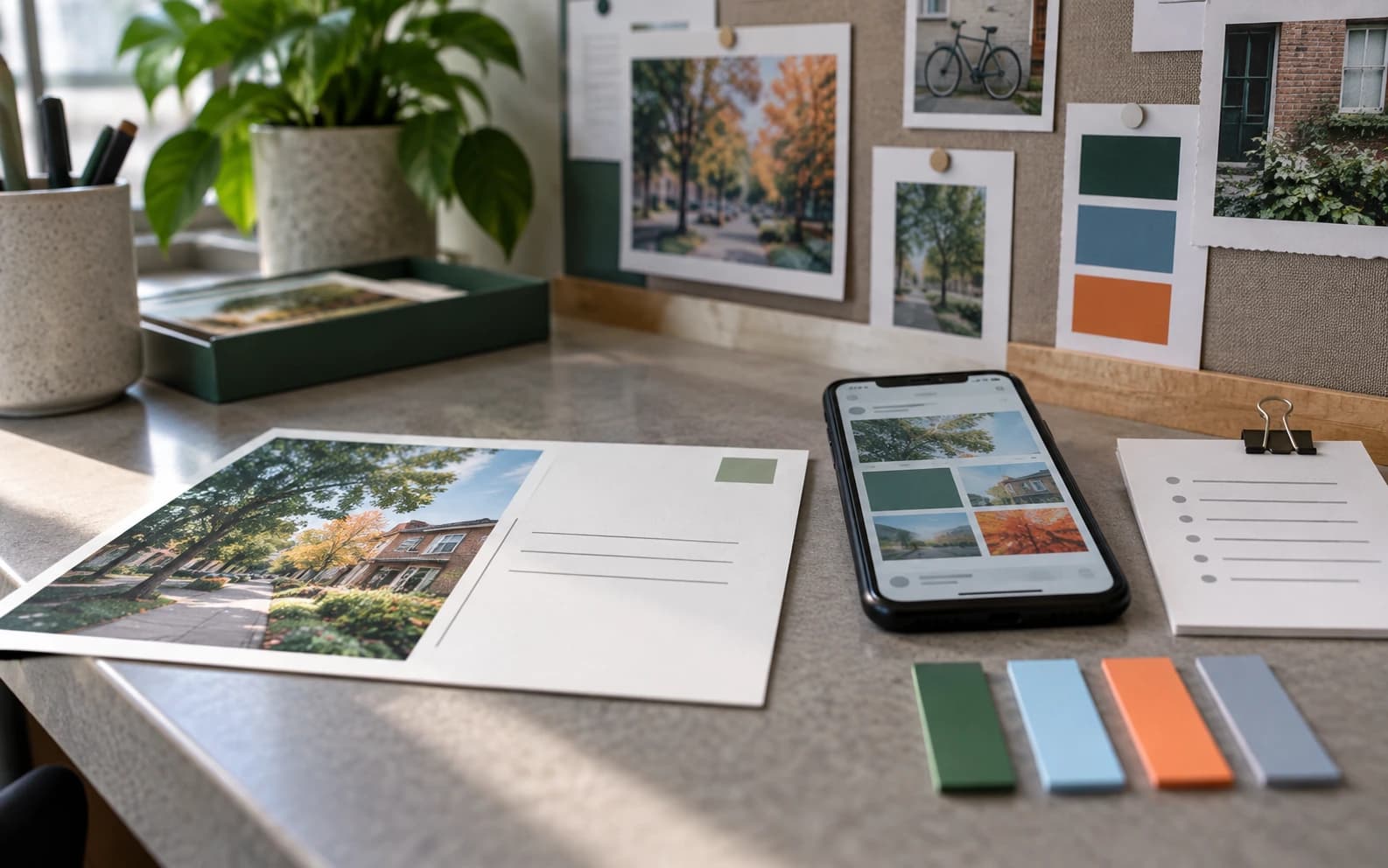
A launch sheet makes the invisible parts visible
The useful launch sheet is not another decorative template. It is the small operational page that says what the campaign is promising, who it is for, where each asset appears, when it goes live, which link or phone number matters, and what should happen after a customer responds.
Google's guidance on helpful content keeps returning to the same business discipline: make information useful, reliable, and clear for people first. That principle applies before the page is published. If the team cannot explain the campaign path on one sheet, the customer will probably feel that blur across several touchpoints.
- Name the offer in one sentence before designing channel variations.
- Assign each asset a role: attract, explain, confirm, route, or follow up.
- Check every link, phone cue, QR code, form, and reply path together.
- Give staff the same language customers will see in public.
Consistency is decided before resizing
Many campaigns become inconsistent because the design process treats resizing as the final step. A square social crop, a postcard, an email header, and a landing page hero do need different formats. But they should not need different meanings.
The handoff sheet protects meaning. It keeps the same promise, same timing, same customer action, and same boundaries alive across the materials. The design can still adapt to each channel. The offer should not mutate simply because a rectangle changed shape.
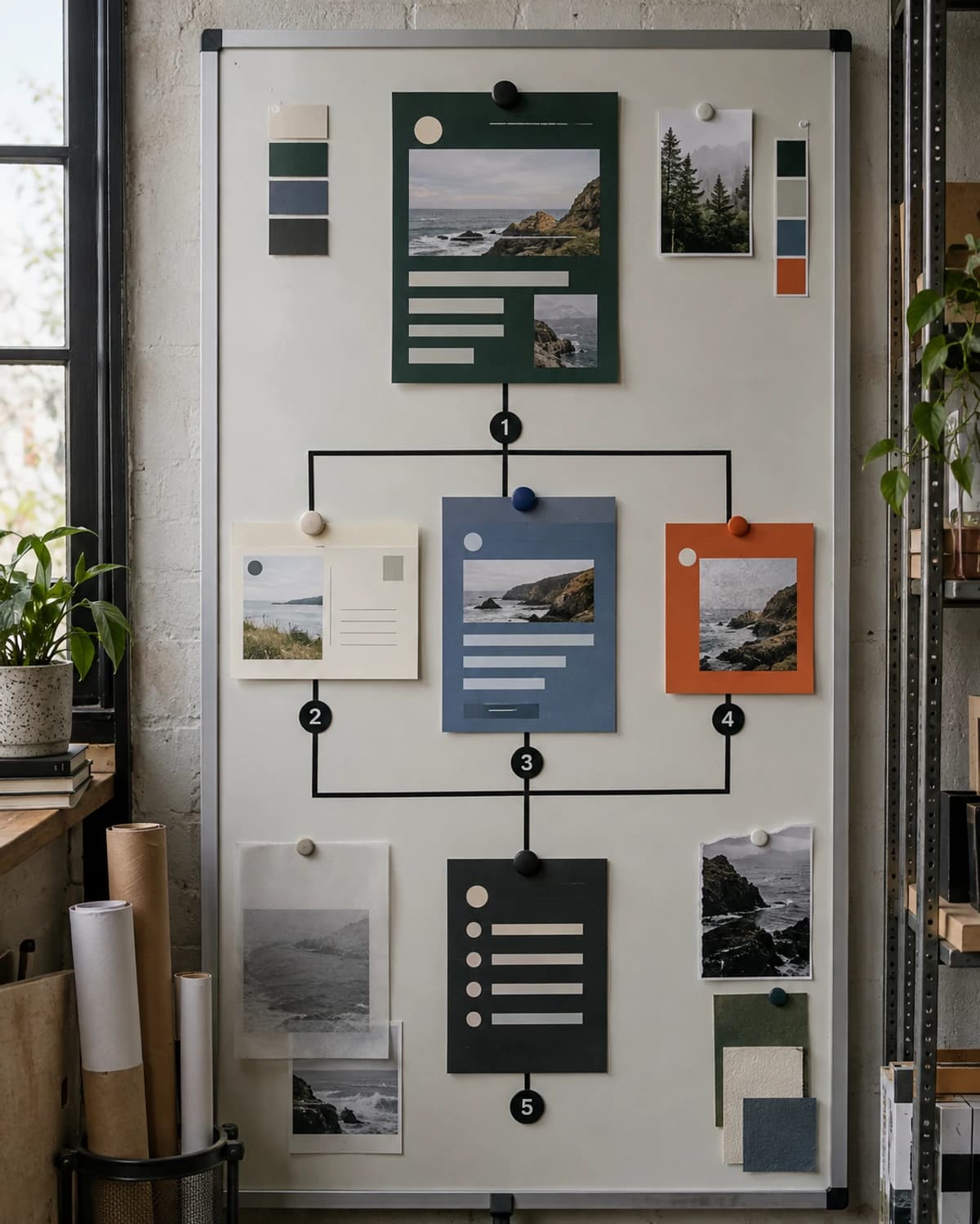
The staff cue is part of the media plan
A local campaign does not end at the screen. Someone may ask about the offer at the counter. Someone may call after receiving a mailer. Someone may show a screenshot. If the team has not seen the same campaign sheet, the public message becomes a private guessing game.
This is where design and operations meet in a very ordinary way. A small staff cue card, a short reply script, and a clear note about eligibility or timing can protect the campaign from awkward improvisation. The brand voice does not need to sound rehearsed. It needs to sound like everyone saw the same promise.
Keep the sheet for the next campaign
The first campaign handoff sheet takes effort because it forces decisions into the open. The second one is easier. The business starts to know where offers tend to drift, which links need checking, which phrases confuse customers, and which assets must be produced before launch week.
The sheet becomes a modest archive of how the business talks to the market. The next time the postcard, email, social post, and landing page are ready, the most important asset may be the page that never goes public.
Frequently asked questions
What should be included in a campaign handoff sheet?
Include the offer, audience, campaign dates, channel roles, live links, phone or front-desk cues, required assets, approval owner, and follow-up path.
Why does a local campaign need staff notes?
Customers often respond through calls, counters, screenshots, or replies. Staff notes keep the public offer and the real conversation aligned.
How does this help web, print, and social design?
It gives every format the same promise and next step, so design can adapt to each channel without changing the meaning of the campaign.
Need a sharper customer-facing system?
Improve consistency across the brand, website, and sales materials.
Visual Square helps NY/NJ businesses clean up the touchpoints customers actually see first, so the brand feels clearer, more credible, and easier to trust.
Talk through the refresh